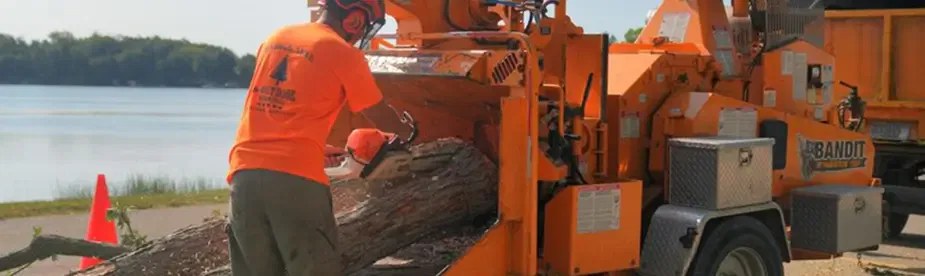
Professional tree removal in Burlington and Southeast Wisconsin follows a predictable process: assessment, planning, sectional cutting, debris cleanup, and optional stump grinding. Most residential jobs take half a day to a full day, and a reputable crew will leave your property cleaner than they found it.
If you have never had a tree removed from your property, the process can feel intimidating. Heavy equipment shows up. Chainsaws run for hours. Large sections of wood swing through the air on rigging lines. But when you understand what happens at each stage, the experience shifts from stressful to straightforward.
This guide walks you through every step of the tree removal process so you know exactly what to expect, what to ask, and how to prepare.
Key Takeaways
Every job starts with an on-site assessment. A qualified arborist evaluates the tree, surrounding structures, and access before quoting a price.
Permits may be required. Several municipalities in Southeast Wisconsin require permits for tree removal. Your tree service should handle this for you.
Most residential removals take 4 to 8 hours. Complex jobs near power lines or structures may take longer.
Trees are removed in sections, not felled whole. In residential settings, crews dismantle trees piece by piece from the top down for safety.
Stump grinding is usually a separate step. It is available the same day or scheduled as a follow-up visit.
Cleanup is included. Professional crews remove all debris, rake the area, and haul away wood unless you request to keep it.
Common Reasons for Tree Removal in Southeast Wisconsin
Not every tree problem requires removal. Pruning, cabling, or treatment can sometimes save a tree. But certain conditions make removal the safest and most practical choice.
- Dead or dying trees. A tree with no living canopy, peeling bark, and brittle branches is a falling hazard that will only get worse.
- Storm damage beyond recovery. When a storm splits the trunk, shears off more than half the crown, or exposes the root plate, the tree cannot recover structurally.
- Disease or pest infestation. Emerald ash borer, oak wilt, and Dutch elm disease have devastated trees across Southeast Wisconsin. Removal prevents spread to healthy trees nearby.
- Structural risk to property. Trees leaning toward a house, growing into a foundation, or lifting a driveway may need removal to prevent costly damage.
- Construction or landscaping projects. Sometimes a healthy tree sits in the footprint of a new addition, driveway, or septic system.
- Utility line conflicts. Trees growing into power lines create fire and electrocution hazards that require professional intervention.
The Tree Removal Process: Step by Step
| Step | Phase | What Happens | Your Role |
|---|---|---|---|
| 1 | On-Site Assessment | A certified arborist evaluates tree condition, size, lean, nearby structures, and site access to plan safe removal | Discuss concerns, identify underground utilities, and ask project-specific questions |
| 2 | Quote & Permits | Written estimate is provided, and local permit requirements are reviewed if applicable | Review scope, confirm included services, and approve scheduling |
| 3 | Site Preparation | Crew establishes drop zone, positions equipment, secures the work area, and confirms access points | Move vehicles, patio items, and keep pets and family away from the work zone |
| 4 | Limb Removal | Branches are removed from the top down using climbing gear, bucket access, or controlled rigging systems | Stay clear of the work zone until the crew confirms safe access |
| 5 | Trunk Sectioning | The main trunk is dismantled in controlled sections using ropes, rigging, or crane support | Maintain distance during this highest-activity phase |
| 6 | Stump Grinding | The remaining stump is ground below grade, with wood chips left or removed based on the service scope | Confirm whether stump removal is included before work begins |
| 7 | Cleanup & Haul-Away | Debris is chipped, hauled away, and the site is cleaned with a final walkthrough | Inspect the completed work and confirm satisfaction with the crew leader |
Step 1: On-Site Assessment
Every professional tree removal begins with a site visit. A qualified arborist walks your property, evaluates the tree, and develops a removal plan. This is not a quick glance from the truck window.
The arborist looks at the tree’s species, size, health, lean, and structural condition. They identify targets like your house, garage, fence, power lines, and neighboring structures. They assess soil conditions and access for equipment. According to the OSHA tree care industry safety overview, tree care is among the most hazardous occupations in the country, which is why this planning phase is so critical.
A thorough assessment also determines the right removal method. A tree standing in an open yard with clear access is a very different job than a tree wedged between a house and a power line. The method determines the equipment, crew size, and cost.
Step 2: Quote, Scheduling, and Permits
After the assessment, you receive a written estimate that details the scope of work, equipment needed, timeline, and total cost. A reputable tree service breaks this down clearly so you know exactly what you are paying for.
In Burlington and surrounding municipalities like East Troy, Lake Geneva, Waterford, and Rochester, local ordinances may require a permit before removing certain trees. Some communities protect trees above a specific trunk diameter or trees located near wetlands or waterways. Your tree service should know the local requirements and handle the permit process on your behalf.
Always confirm what is included in the quote. Stump grinding, debris hauling, log splitting, and site restoration are sometimes listed as separate line items.
Step 3: Site Preparation
On the day of removal, the crew arrives and prepares the work zone before any cutting begins. This includes setting up a drop zone where limbs and trunk sections will land, positioning the chipper and trucks for efficient workflow, and cordoning off the area to keep bystanders safe.
If a crane is needed, the operator sets up on a stable, level surface with enough clearance for the boom to swing. Ground protection mats may be placed on your lawn to minimize turf damage from heavy equipment.
Before work begins, the crew leader will confirm the plan with you, walk the drop zone, and answer any last questions.
Step 4: Limb Removal (Top-Down Dismantling)
In most residential settings in Southeast Wisconsin, trees cannot be felled in one piece. Houses, fences, power lines, and neighboring properties are too close. Instead, the crew dismantles the tree from the top down.
A climber ascends the tree using ropes and harnesses, or the crew uses a bucket truck or crane to reach the upper canopy. They cut branches in manageable sections and lower them to the ground on rigging lines. This controlled approach is far safer than letting limbs free-fall. As the Wikipedia article on arboriculture and certified arborist qualifications explains, professional arborists train extensively in climbing, rigging, and removal techniques to perform this work safely.
Each cut is planned. The climber considers the branch weight, angle, and where it will swing once severed. On the ground, a crew member manages the rigging line to guide each piece to the drop zone.
Step 5: Trunk Sectioning
Once the branches are removed, the bare trunk remains. The climber or crane operator works down the trunk in sections, cutting rounds that are lowered to the ground by rope or crane.
For large trees, this phase involves the heaviest wood and the highest forces. A 3-foot-diameter oak trunk section can weigh over 1,000 pounds. This is why professional equipment and trained crew members are essential. The cut sections are moved to the chipper or stacked for hauling.
If you want to keep firewood, let the crew know before they start. They can cut trunk sections to firewood length and stack them in a location you choose.
Step 6: Stump Grinding
After the trunk is down, a stump remains at ground level. Most homeowners choose to have it ground out. A stump grinder uses a rotating carbide-tipped wheel to chew the stump and major surface roots down to 6 to 12 inches below the soil surface.
The result is a pit filled with wood chips and loose soil. Over time, this material decomposes and settles. You can fill the area with topsoil and seed it with grass, or plant a new tree in a nearby location. Planting directly in the old stump hole is possible but works best after the chips have had a season to break down.
Stump grinding is sometimes included in the removal quote and sometimes listed separately. Ask about this when reviewing your estimate.
Step 7: Cleanup and Final Walkthrough
A professional crew does not leave your property covered in sawdust and wood chips. All branches are fed through the chipper. Trunk sections are loaded onto trucks. The work area is raked and blown clean.
Before the crew leaves, the leader should walk the site with you to confirm everything meets your expectations. This is the time to flag any remaining debris, discuss the stump grinding result, or ask about aftercare for the surrounding landscape.
Equipment Used During Professional Tree Removal
Knowing what equipment to expect helps you prepare your property and understand the timeline.
- Chainsaws. The primary cutting tool for limbs and trunk sections. Professional crews carry multiple saws in different sizes.
- Bucket truck. A vehicle-mounted aerial lift that positions the operator at canopy height. Requires driveway or street access.
- Crane. Used for large or dangerous removals where rigging from the tree is impractical. The crane lifts entire trunk sections and sets them on the ground.
- Wood chipper. Processes branches and brush into chips for hauling. Typically parked near the drop zone.
- Stump grinder. A wheeled or tracked machine with a spinning cutting wheel that grinds stumps below grade.
- Rigging ropes and pulleys. Used to lower heavy limbs and trunk sections in a controlled path. Prevents free-falling wood from damaging property.
- Personal protective equipment (PPE). Helmets, eye protection, hearing protection, chainsaw chaps, and climbing harnesses. Every crew member should be wearing full PPE.
How to Prepare Your Property for Tree Removal Day
A little preparation on your end helps the crew work safely and efficiently.
- Move vehicles. Clear the driveway and any street parking near the tree to make room for trucks, chippers, and cranes.
- Clear the yard. Remove patio furniture, grills, planters, garden decorations, and anything breakable from the work area.
- Secure pets. Keep dogs, cats, and other animals indoors or in a fenced area well away from the work zone.
- Notify your neighbors. Let adjacent property owners know about the scheduled work. Falling debris, chainsaw noise, and temporary street access may affect them.
- Mark sprinkler heads and landscape features. Flag anything underground or at ground level that could be damaged by heavy equipment.
Confirm gate and access. Make sure the crew can get equipment through fences, gates, or narrow side yards. Measure if needed.
What Affects the Cost of Tree Removal in Burlington & Southeast Wisconsin
Tree removal pricing is not one-size-fits-all. Several factors determine the final cost.
- Tree size. A 30-foot ornamental tree is a very different job than an 80-foot white oak. Larger trees require more labor, larger equipment, and longer timelines.
- Location and access. A tree in an open backyard is cheaper to remove than one sandwiched between a house and a garage with no equipment access.
- Proximity to structures and power lines. Working near a home, fence, or electrical service requires more rigging, slower cutting, and sometimes a crane.
- Tree condition. Dead trees are unpredictable. Brittle branches and decayed trunks require extra caution, which adds time and labor.
- Stump grinding. Added as a separate charge in most estimates. Cost depends on stump diameter and root spread.
- Debris hauling. Most companies include debris removal in the price. Keeping firewood may reduce the cost slightly.
- Emergency vs. scheduled. Storm-damage removal on an emergency basis typically costs two to three times more than planned work.
Why Professional Tree Removal Is Not a DIY Job
Tree care ranks among the most dangerous occupations in the United States. According to OSHA’s analysis of tree care industry fatalities and safety data, struck-by incidents from falling trees and branches are the leading cause of death among tree workers. Falls from height are the second leading cause. These risks exist even for trained, equipped professionals.
For an untrained homeowner with a chainsaw and a ladder, the risks multiply dramatically. Trees under tension snap unpredictably. Cut branches swing in unexpected directions. Chainsaw kickback causes severe lacerations. A tree falling in the wrong direction can destroy a house, a car, or a life.
Professional tree removal crews carry insurance that protects you from liability if something goes wrong on your property. Ask any company you hire to provide proof of general liability insurance and workers’ compensation coverage before they start work.
How to Choose a Tree Removal Company in Southeast Wisconsin
Not all tree services are equal. Here is what to look for when hiring a company for tree removal in Burlington, Racine County, Walworth County, or anywhere in Southeast Wisconsin.
- ISA Certified Arborist on staff. Certification from the International Society of Arboriculture means the arborist has documented experience and has passed a rigorous examination.
- Proof of insurance. Ask for a certificate of insurance showing general liability and workers’ compensation. Call the insurance company to verify it is current.
- Written estimate. Never accept a verbal quote or a price scribbled on the back of a business card. Get a detailed, written proposal.
- No pressure to decide immediately. A reputable company gives you time to review the estimate and compare options. High-pressure sales tactics are a red flag.
- References and reviews. Check Google reviews, ask for references, and look at photos of previous work. A strong track record speaks for itself.
- Clean equipment and professional appearance. The condition of a company’s trucks, chippers, and gear reflects how they will treat your property.
What to Do After the Tree Is Removed
Once the tree is down and the stump is ground, you have a few decisions to make about restoring the area.
- Fill and grade the stump hole. Add topsoil to fill the depression left by stump grinding. Grade it level with the surrounding lawn.
- Seed or sod the area. Spread grass seed or lay sod over the filled area. Water consistently until the grass establishes.
- Consider a replacement tree. Losing a mature tree reduces shade, property value, and curb appeal. Planting a new, well-chosen species restores those benefits over time.
- Inspect surrounding trees. If the removed tree had disease or pest issues, have an arborist check neighboring trees for signs of spread.
- Review your landscape plan. Removing a large tree changes light, drainage, and wind patterns. Some beds or plants that were in shade will now get full sun.
Frequently Asked Questions About Tree Removal
How long does tree removal take?
Most residential tree removals take between 4 and 8 hours. Small trees in open areas may be done in 2 to 3 hours. Large or complex removals near structures can take a full day or occasionally two days.
Do I need a permit to remove a tree in Burlington, WI?
Permit requirements vary by municipality. Some communities in Racine and Walworth counties require permits for trees above a certain trunk diameter or trees in protected areas. Your tree service should check local ordinances and file permits on your behalf before any work begins.
What is the average cost of tree removal in Southeast Wisconsin?
Costs depend on tree size, location, condition, and access. Small tree removal may start around a few hundred dollars, while large, complex removals involving cranes can run significantly higher. Get at least two written estimates for comparison. Be cautious of any price that seems dramatically lower than others.
Can I keep the wood from my tree?
Yes. Let the crew know in advance and they will cut trunk sections to the length you want and stack them where you choose. Some homeowners use the wood for firewood, woodworking projects, or decorative landscape features.
Is stump grinding included in tree removal?
It depends on the company and the quote. Some include stump grinding in the tree removal price. Others list it as a separate service. Always clarify this before signing the contract.
What happens to the roots after stump grinding?
Stump grinding removes the stump and major surface roots down to 6 to 12 inches below grade. The remaining roots left in the soil will decompose naturally over several years. They will not regrow once the tree is gone.
Will tree removal damage my lawn?
Some lawn disturbance is unavoidable when heavy equipment operates in your yard. Professional crews minimize this by using ground protection mats and careful equipment placement. Minor ruts and compaction can be repaired with aeration, topsoil, and reseeding.
Should I be home during tree removal?
You do not need to be present for the entire job, but it helps to be available at the start and end. The crew leader will confirm the plan with you before cutting begins and walk the site with you after cleanup.
What if the tree is near a power line?
Trees in contact with or close to power lines require special procedures. Your tree service may coordinate with the local utility company to de-energize the line before work begins. Never attempt to trim or remove a tree near power lines yourself.
Can I remove a tree any time of year?
Tree removal can be done year-round. Winter removal is sometimes easier because frozen ground supports heavy equipment better, and dormant trees are lighter without leaves. However, scheduling depends on weather, crew availability, and urgency.
What is the difference between tree removal and tree trimming?
Tree trimming (or pruning) removes selected branches to improve health, shape, or clearance while keeping the tree. Tree removal takes down the entire tree. If your tree has a problem that pruning can fix, a good arborist will tell you removal is not necessary.
How do I know if my tree needs removal or just pruning?
A certified arborist assesses the tree and recommends the least invasive solution. According to the Wikipedia overview of arborist training and tree risk assessment qualifications, arborists certified by the International Society of Arboriculture hold the training needed to accurately evaluate structural defects, disease progression, and overall tree health before recommending removal.
Schedule Your Tree Removal with Confidence
Professional tree removal is a planned, methodical process with clear steps from start to finish. When you hire an experienced, insured crew with certified arborists, the job gets done safely, efficiently, and with full cleanup.
If you have a tree on your property that needs to come down, or if you are not sure whether removal is necessary, get an expert opinion first.
Request your free tree removal estimate from Rausch Tree and Outdoor Services. Call us today or visit rauschtree.com to schedule your on-site assessment. Serving Burlington, Waterford, East Troy, Lake Geneva, Rochester, and all of Southeast Wisconsin.